• Contact
  • career
  • Product finder
  • Downloads
  • FAQ
  • EN
    • DE
    • EN
    • FR
    Back to homepage
  • Search
  • Products
  • Products
    • MIETHKE Technology
      • Overview
      • Shuntsystems
      • Gravitational Technology
    • Adjustable valves
      • Overview
      • M.blue & M.blue plus
      • M.flow
      • proGAV 2.0
      • proGAV
      • proSA
      • Download Area
    • Preadjusted valves
      • Overview
      • GAV 2.0
      • SA 2.0
      • GAV
      • paediGAV
      • SA
      • miniNAV
      • DSV
      • Download Area
    • Sensor technology
      • Overview
      • M.scio
      • ICPicture
      • Download Area
    • Instruments
      • Overview
      • Adjustment Instruments
      • Tunneller
      • THOMALE GUIDE
      • Download Area
    • Accessories
      • Overview
      • XABO
      • Valve Board
      • Catheter
      • Reservoirs
      • Prechambers
      • Titanium Connectors
      • Deflectors
    • Digital Applications
      • Overview
      • MIETHKE App
      • HC&ME App
      • Ventricle Guide Training App
      • Thomale Guide App
      • MIETHKE Product Finder
  • hydrocephalus
  • hydrocephalus
    • We Understand
      • Overview
      • We Understand NPH
      • About NPH
      • NPH treatment
    • #MEandMyHC
      • Overview
      • Downloads
    • About Hydrocephalus
      • Overview
      • Basic knowledge ventricle system
      • Symptoms
      • Diagnosis
      • Hydrocephalus treatment
    • Living with hydrocephalus
      • Overview
      • Patients share their story
      • eBook Merle’s Guard
      • eBook Karl's Guard
      • Hydrocephalus Diary App
      • FAQ
  • About Us
  • About Us
    • Working at MIETHKE
      • Overview
      • Team
      • Career
      • Our apprenticeships
    • Our Motivation
    • MIETHKE takes a stand
    • Contact
      • Overview
      • Press & Public Relations
      • History
      • Feedback on our products
    • Compliance
    • Our Sponsorships
    • Tolerance moves Potsdam
  • Journal
  • Journal
    • Overview
    • Our Journal
    • Scientific Studies
    • Articles
      • Über- und Unterdrainage in der Hydrocephalus Therapie
      • Shunt infection: How it develops and how it can be prevented
      • LP shunt vs. VP shunt
      • The Innovative Leap to Telemetric Pressure Sensors
      • ICP – the measurement of intracranial pressure
      • Foundations of fluid mechanics, or of beakers, bottles and people
  • Search
  • MIETHKE Technology
    • Shuntsystems
    • Gravitational Technology
  • Adjustable valves
    • M.blue & M.blue plus
    • M.flow
    • proGAV 2.0
    • proGAV
    • proSA
    • Download Area
  • Preadjusted valves
    • GAV 2.0
    • SA 2.0
    • GAV
    • paediGAV
    • SA
    • miniNAV
    • DSV
    • Download Area
  • Sensor technology
    • M.scio
    • ICPicture
    • Download Area
  • Instruments
    • Adjustment Instruments
    • Tunneller
    • THOMALE GUIDE
    • Download Area
  • Accessories
    • XABO
    • Valve Board
    • Catheter
    • Reservoirs
    • Prechambers
    • Titanium Connectors
    • Deflectors
  • Digital Applications
    • MIETHKE App
    • HC&ME App
    • Ventricle Guide Training App
    • Thomale Guide App
    • MIETHKE Product Finder
  • M.blue Shunt
  • HCandME App - hydrocephalus diary
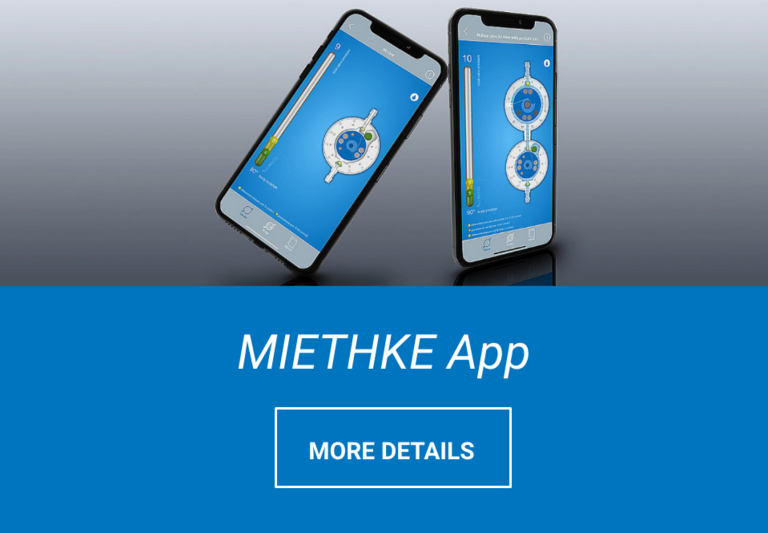
  • MIETHKE App
  • We Understand
    • We Understand NPH
    • About NPH
    • NPH treatment
  • #MEandMyHC
    • Downloads
  • About Hydrocephalus
    • Basic knowledge ventricle system
    • Symptoms
    • Diagnosis
    • Hydrocephalus treatment
  • Living with hydrocephalus
    • Patients share their story
    • eBook Merle’s Guard
    • eBook Karl's Guard
    • Hydrocephalus Diary App
    • FAQ
  • Working at MIETHKE
    • Team
    • Career
    • Our apprenticeships
  • Our Motivation
  • MIETHKE takes a stand
  • Contact
    • Press & Public Relations
    • History
    • Feedback on our products
  • Compliance
  • Our Sponsorships
  • Tolerance moves Potsdam
  • Overview
  • Our Journal
  • Scientific Studies
  • Articles
  • Über- und Unterdrainage in der Hydrocephalus Therapie
    • Shuntsysteme bei der Hydrocephalus-Therapie haben eine lange Geschichte, doch Über- und Unterdrainage bleiben häufige Komplikationen mit ihren möglichen Folgen, wie dem Schlitzventrikelsyndrom. Der Artikel beleuchtet die Ursachen, Folgen und Therapieansätze beider Probleme und diskutiert, ob Gravitationstechnologie eine mögliche Abhilfe bietet.
  • Shunt infection: How it develops and how it can be prevented
    • Shunt therapy is the most common treatment for hydrocephalus, but carries the risk of serious complications such as shunt infections. Find out more about symptoms, causes, treatment options and preventive approaches such as antibiotic-impregnated catheters.
  • LP shunt vs. VP shunt
    • The choice between LP and VP shunt is essential for the successful treatment of hydrocephalus. This article provides a detailed comparison, looking at the indications, benefits and potential risks of both types of implantation - informed insights for better treatment decisions.
  • The Innovative Leap to Telemetric Pressure Sensors
    • Telemetric pressure sensors are setting new standards in the hydrocephalus shunt therapy. The article analyzes the technical limitations of conventional ICP sensors and presents trend-setting innovations in the field of measurement with telemetric pressure sensors - for more precise and efficient treatments.
  • ICP – the measurement of intracranial pressure
    • The measurement and interpretation of intracranial pressure (ICP) is a very helpful aid in the diagnosis and treatment of many brain diseases. The article explains the technical requirements for ICP measurements, the interpretation of ICP values in intracranial pressure measurements and their significance for effective treatment planning.
  • Foundations of fluid mechanics, or of beakers, bottles and people
    • The article introduces fluid mechanics and explains how the cerebrospinal fluid works in the human brain. It explains the hydrodynamics in the shunt system and shows why the circulation and pressure of the cerebrospinal fluid are important factors for optimizing shunt therapies.

  • LinkedIn
  • YouTube
  • Instagram
  • Contact
  • Legal notice
  • General Terms and Conditions of Sale
  • Privacy Policy Declaration
  • Cookie settings
© 2026 Christoph Miethke GmbH & Co. KG